
Methods
CHW uses high-resolution commercial satellite imagery to monitor the condition of cultural heritage sites across Nagorno-Karabakh. Here is how our monitoring process works.

Satellite Tasking and Site Assessment
To monitor the condition of currently endangered sites, we task satellites to capture images throughout the year, providing a regularly updated stream of information on the physical integrity of cultural heritage sites in the region. We request imagery based on known or reported threats as well as our analysis of potential risks. Each site is examined by comparing recent captures to baseline imagery predating the 2020 conflict.
Evaluating and Responding to Damage
Evidence for damage or destruction is passed from individual monitors to the team for group evaluation. If full agreement is reached, the site is flagged as either destroyed, damaged, or threatened. Consultations are held with our partners as the team works toward a strategic response. When CHW and its partners conclude that public scrutiny might blunt further intentional or accidental damage to a site, we use social media to broadcast the threat and help focus the attention of relevant organizations, analysts, journalists and authorities.
Satellite Technology
Expanding commercial satellite platforms allow us to harness new technologies in service of heritage monitoring. New commercial and public-domain satellite ventures offer important opportunities to harness evolving technologies of earth observation more directly in service of heritage monitoring. For the purposes of monitoring threatened sites in Nagorno-Karabakh, the ability to control when and where a satellite flies over a site is vital to the forensic assessment of site impacts and deterrence of threats. Planet Lab’s SkySat platform allows CHW to task satellites to capture highest resolution (52 cm) multispectral images on demand.

Our Site Inventory
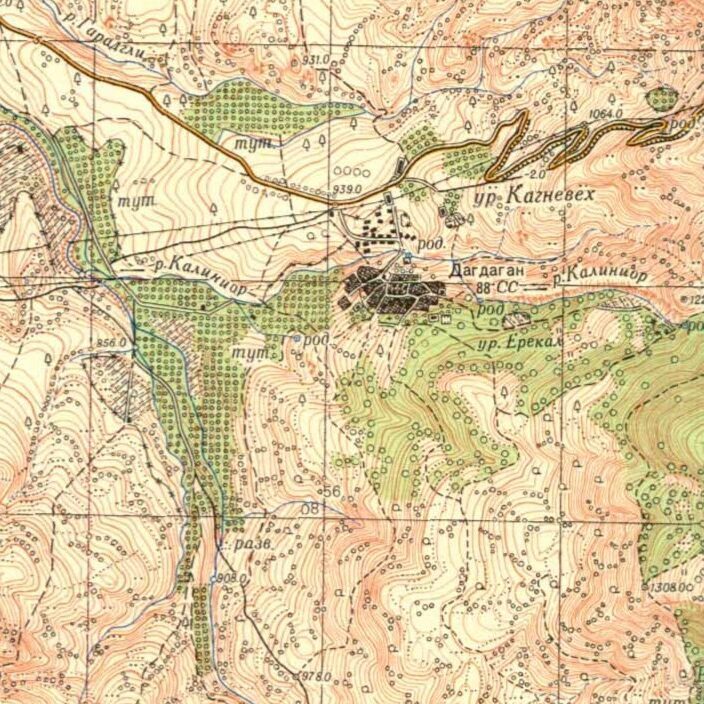
Our inventory of cultural heritage sites in Nagorno-Karabakh includes over 2,000 entries spread across approximately 12,000 square kilometers. At any particular moment, we have hundreds of discrete locations under satellite surveillance, including churches and mosques, cemeteries and fields of carved stones, bridges, and other cultural properties that tell the dynamic story of centuries of life in the region. Our site inventory is the result of extensive consultations with our partners, who share our concern for heritage preservation in the South Caucasus. Our partners are fundamental to what we do, providing expertise, experience, and eyes on the ground.
What We Monitor
CHW’s monitoring effort is specifically focused on heritage monuments. We focus on historic sites that have been the subject of archaeological, architectural, or art historical research and are included on Soviet or post-Soviet state inventories of cultural properties. It is not within our mission to document the wider destruction of towns, villages and cities over the 30 years of conflict in the region. Nevertheless, we draw a distinction between the destruction and abandonment of villages over the course of this long-standing conflict and the systematic attempts to eradicate heritage properties as a means to erase communities from the region’s past and thus rewrite the region’s history.
Limitations of Satellite Monitoring
There are some kinds of threats to cultural heritage that CHW is not well-equipped to address. Satellite imagery provides evidence of damage, but it cannot detect acts of desecration or directly combat heritage appropriation. Since the cease-fire, representatives of Azerbaijan’s government have embarked on an extensive campaign to claim Armenian heritage sites as either non-existent or as “Caucasian Albanian.” Both represent fraudulent historical claims unsupported by international research. The vast majority of experts in the region’s art, architecture, and archaeology have rejected Azerbaijan’s revisionist claims as patently false. Nevertheless, these subtle but significant forms of erasure are not visible from our satellite imagery, and we will have to rely on partners to document these activities.